The biggest difference: from giving links to giving answers first
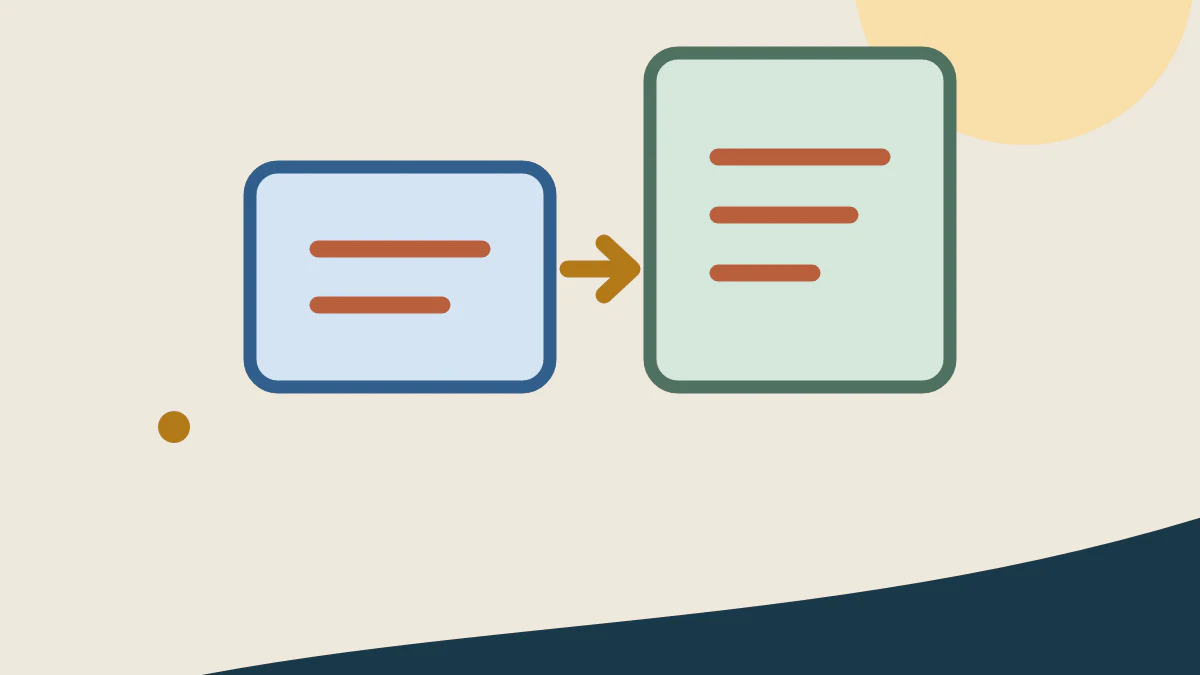
Ordinary search usually gives you a page of links, which you open, compare and summarize yourself. AI search takes one more step: it first searches the web page, then organizes multiple sources into an answer that can be followed up by asking further questions, and puts a citation link next to the answer.
It is not a "search without reading the web page", but a "search that reads a round of web pages for you first".
Currently common AI searches include ChatGPT Search, Google Search’s AI Mode, and Perplexity. The interfaces and functions of the three are different, but the basic processes are very similar: understanding the question, searching the web, synthesizing the information, and giving answers and sources.
What questions are suitable for AI search?
AI search is most suitable for complete questions, such as "Which area is convenient for staying in Osaka for the first time?" "Who are these three types of cameras suitable for?" "Compare the changes in this new policy with the original regulations." This type of question originally requires changing several sets of keywords, opening multiple pages, and then writing the conclusion yourself.
It also lends itself well to questioning. The first time is to understand the whole picture, the second time is to limit the budget or time, and the third time is to ask for a list of different opinions. Ordinary search can also be completed, but the links must be re-screened each time; conversational search will retain the previous text and the process will be more coherent.
- Need to quickly learn about an unfamiliar topic: start by asking it to lay out concepts and sources.
- Need to compare multiple options: write down the common criteria so they are organized by the same set of criteria.
- Need up-to-date information: be clear about the time, and open sources to confirm the release date and time of the incident.
- Just want to enter an official website or open a familiar page: a normal search is usually more straightforward.
How to understand three common products
ChatGPT Search can automatically search when a question requires network information, or the user can actively choose to search. Answers using the search may show inline citations, and a source panel may be opened at the bottom of the page. It's suitable for supplementing web information when you're already writing, analyzing, or planning in a conversation.
Google AI Mode is built on Google Search. It will split the question into multiple sub-questions for simultaneous search, then synthesize them into answers, and allow continued questioning. It's more like a regular Google search and extends toward a conversational experience, but region, language, history, and personalization settings affect the available experience.
Perplexity's product positioning is conversational search. Answers usually have quotes and original links, and also provide more in-depth search methods. It is suitable to integrate "search-summary-continue questioning" into one interface.
When choosing, don’t worry about who is always the most accurate. You can use the same real question to see what sources it finds, whether the quotes correspond to the original text, whether the conditions will be lost after questioning, and whether it is convenient for you to open the original web page.
Quote link is not the correct seal
Having citations does not mean that the conclusion is correct. AI may find the web page correctly, but misread the conditions, ellipses, or time range of the web page; it may also quote an article that only supports half a sentence, but make a larger conclusion in the answer. Official help from Google and OpenAI both remind that AI answers may be wrong, and important information must be returned to the source for verification.
- First look at who the source is: an official agency, the original paper, the company involved, or a paraphrased article.
- Look at the date again: whether the old page was used to answer today's question.
- Click on the paragraph where the quote is located: whether the original text really supports the sentence next to it.
- Find at least a second independent source for important conclusions, don't just count the number of citations.
- When it comes to payment, medical, legal or security operations, check directly with the agency's current rules.
When is regular search better?
Ordinary search is still suitable for navigational questions: looking for the official website, login portal, customer service phone number, download page or an article whose title is already known. The results page gives you direct access to multiple candidate sites, making it easier to identify ads, official domains, and different viewpoints.
AI search is suitable for exploratory questions: first build the whole picture, compare options, and organize scattered information into next steps. The safest way to use it is not to choose one of the two, but to use AI search to narrow the scope first, and then use normal search and the original web page to confirm the key facts.
One sentence to remember: If you want to know "what, why, and how to compare", you can ask AI search first; if you want to find "that exact page", just look at ordinary search.
official information
The description of the search method in this article comes from the following official information, verified on August 17, 2026: